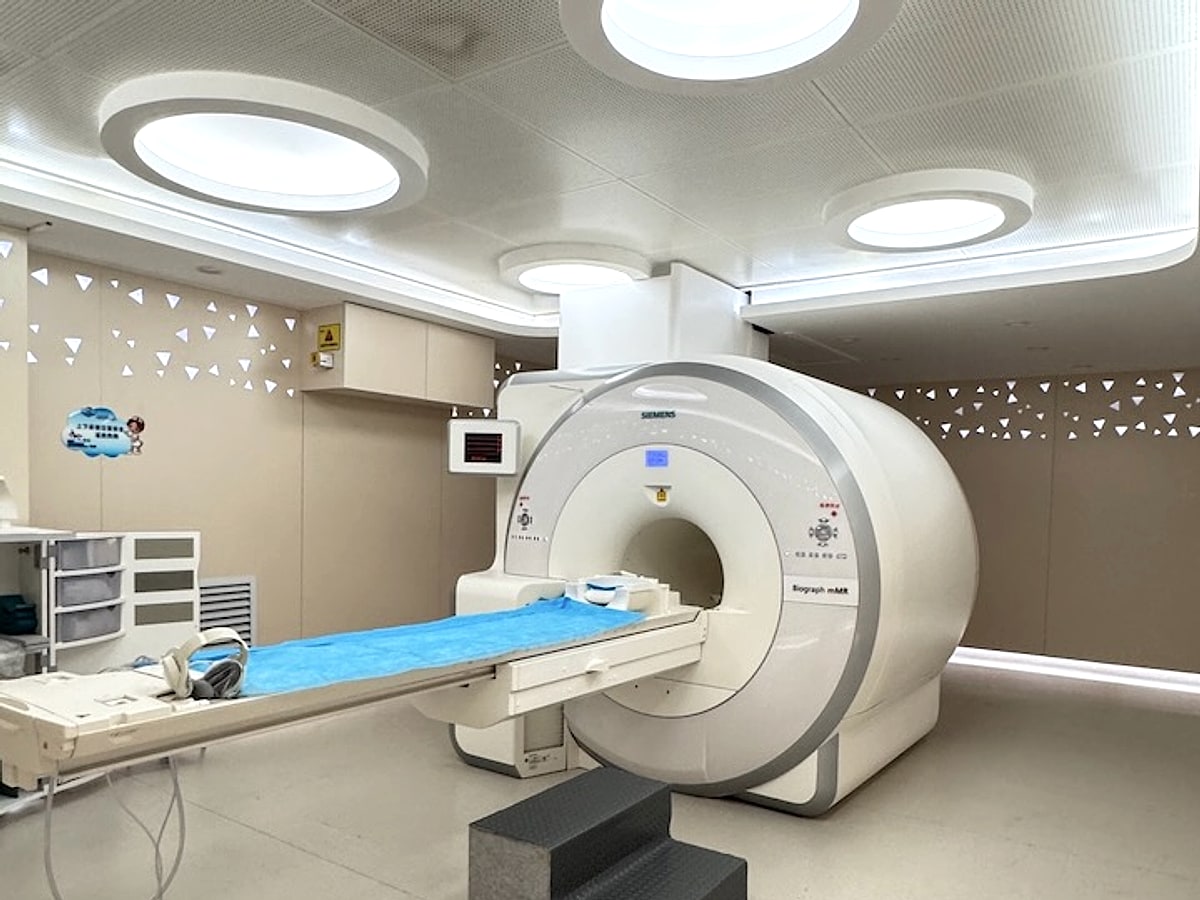
Foreign travelers often search for MRI in China because the wait time at home is long, the cost looks more practical, or they are already visiting a major city. The useful answer is not just whether MRI exists. The practical question is whether the right scan area, appointment path, preparation, report timing, and file handover can fit your trip. If you already have a likely city, scan area, and travel window, send those details first so the route can be checked against real availability.
Route check
Check an MRI route in China
Send a structured MRI in China brief through the inquiry form: share the city you can reach, the scan area, your trip window, and whether you need the official report or DICOM files before departure. Those four details help the coordination team check route feasibility, likely workflow, file handover, and quote factors before you lock flights, hotels, or onward appointments around the scan.
Confirm the workflow before you rely on the trip
MRI access can follow different paths. In some cases, you may need a physician consultation first. In others, MRI may be part of a broader screening route. The route should be confirmed before flights, hotels, or onward appointments depend on it.
- Clarify whether a doctor visit is required before the MRI order.
- State what needs scanning and the clinical question clearly.
- Share prior reports or imaging history if the medical institution requests them.
City choice matters: Shanghai is often the easiest starting point
Foreign travelers often search for MRI in China and then narrow the plan to Shanghai because it is one of the easiest cities to combine with international arrivals, short business trips, and follow-up logistics. The best city is still the one that fits your dates, scan area, and handover needs most realistically.
- If you can choose the city freely, say whether Shanghai is acceptable or whether you must stay in another city.
- If your trip is short, compare the city by appointment practicality and report handover timing, not only by flight convenience.
- If you need to leave China quickly after the scan, confirm whether the city route can hand over the official report or imaging files before departure.
Scan area and contrast can change the plan
MRI is not one generic scan. Brain, spine, joints, abdomen, pelvis, and other regions may require different scanner time, preparation, coils, and reporting workflows. Contrast use must be decided by qualified medical professionals.
Ask for the file format, not just a report
If you plan to consult a doctor outside China, ask whether you can receive official reports and DICOM imaging files. A written report alone may not be enough for specialist review.
Language support is a logistics issue
English support is useful for registration, preparation instructions, appointment navigation, and report handover. It should not be treated as a substitute for medical interpretation by a licensed physician.
Cost quotes depend on the scan definition
MRI cost in China is usually driven by the scan area, city, facility workflow, whether contrast is used, and how quickly the report or files must be handed over. If you only ask for “an MRI,” you will often get a slow or inaccurate answer.
- State what needs scanning (example: brain, lumbar spine, knee, abdomen).
- Share whether contrast is being discussed (decided by qualified clinicians).
- Ask about deliverables: official report timing and whether DICOM imaging files are available.
Plan the handover for physician review after your trip
Many foreign travelers book MRI access in China because they plan to review results with their physician back home. The easiest failure mode is leaving without the right files.
- Confirm you will receive the official report issued by the medical institution.
- Confirm whether DICOM files are available and how they are delivered (disc, link, portal, viewer).
- If your departure is soon after the scan, confirm what can be handed over before you fly and what may arrive later.
Use a short inquiry brief to get a realistic answer faster
The fastest way to confirm whether an MRI route in China is practical is not a long message. It is a short, structured brief that lets the coordination team check city fit, workflow, and file handover quickly.
- Share the city you can reach most easily and the dates you could attend.
- State what needs scanning and whether a physician has already suggested MRI or contrast.
- Say whether you need the official report before departure and whether DICOM files are required for follow-up abroad.
- Mention whether you need English-supported coordination for registration, preparation, or file handover.
Turn MRI research into a realistic route confirmation
If your trip window is short, the best next step is not collecting more generic MRI advice. It is sending the details that determine whether a China MRI route is realistic for your dates.
- Share the city you can reach most easily, or ask whether Shanghai or another major city fits better.
- State what needs scanning, whether timing is urgent, and whether you need digital imaging files for follow-up abroad.
- Use the inquiry form to confirm appointment timing, report handover, and English-supported coordination before booking travel around the scan.
Next practical step
Check an MRI route in China
Send a structured MRI in China brief through the inquiry form: share the city you can reach, the scan area, your trip window, and whether you need the official report or DICOM files before departure. Those four details help the coordination team check route feasibility, likely workflow, file handover, and quote factors before you lock flights, hotels, or onward appointments around the scan.
- City you can reach most easily, or whether Shanghai / another major city is acceptable
- What needs scanning, and whether a doctor already suggested MRI or contrast
- Possible appointment dates and whether your departure is soon after the scan
- Passport-name spelling or registration constraints if you already know them
- Whether you need the official report, DICOM files, or both before follow-up abroad
FAQ
Common planning questions
These FAQ answers focus on logistics and coordination. Medical interpretation and treatment decisions must come from licensed physicians.
Can a foreigner get an MRI in China?+
It may be possible in major cities, depending on appointment availability, facility requirements, scan area, documentation, and whether a physician order is needed. The route should be confirmed before building travel plans around the scan.
How much does an MRI cost in China?+
MRI cost depends on the city, scan area, facility workflow, contrast decision, report timing, and whether imaging files are needed. A practical quote needs the requested body region and travel window, not just the word MRI.
Can I get DICOM files after an MRI in China?+
Some facilities can provide digital imaging files, but this should be confirmed before booking. Ask whether files are available digitally, on disc, or through another handover method.
Does SinoScan48 interpret MRI results?+
No. SinoScan48 can help coordinate logistics and file organization. MRI interpretation and medical decisions must come from qualified medical professionals.
How do I ask for an accurate MRI quote in China?+
Define what needs scanning, discuss whether contrast is involved with qualified clinicians, and confirm the workflow requirements (consultation, documentation, appointment timing). The price and availability can change significantly based on those details.
Will my MRI report be in English?+
Official reports are issued by licensed medical institutions and are often Chinese-first. SinoScan48 can help coordinate structured English support and file organization where practical, but not medical interpretation or diagnosis.
Medical boundary
Guides support planning, not diagnosis.
SinoScan48 coordinates location confirmation, scheduling, communication, optional local logistics, report collection, and structured English support. Official examinations, medical reports, interpretation, diagnosis, and treatment decisions belong with licensed medical institutions and qualified physicians.